 Chinese version
 English version
 Russian version
 Arabic version
- News trends
- Company news Industry news Common problem
- Quick navigation
- Enterprise strength Online message Contact us

Website QR code




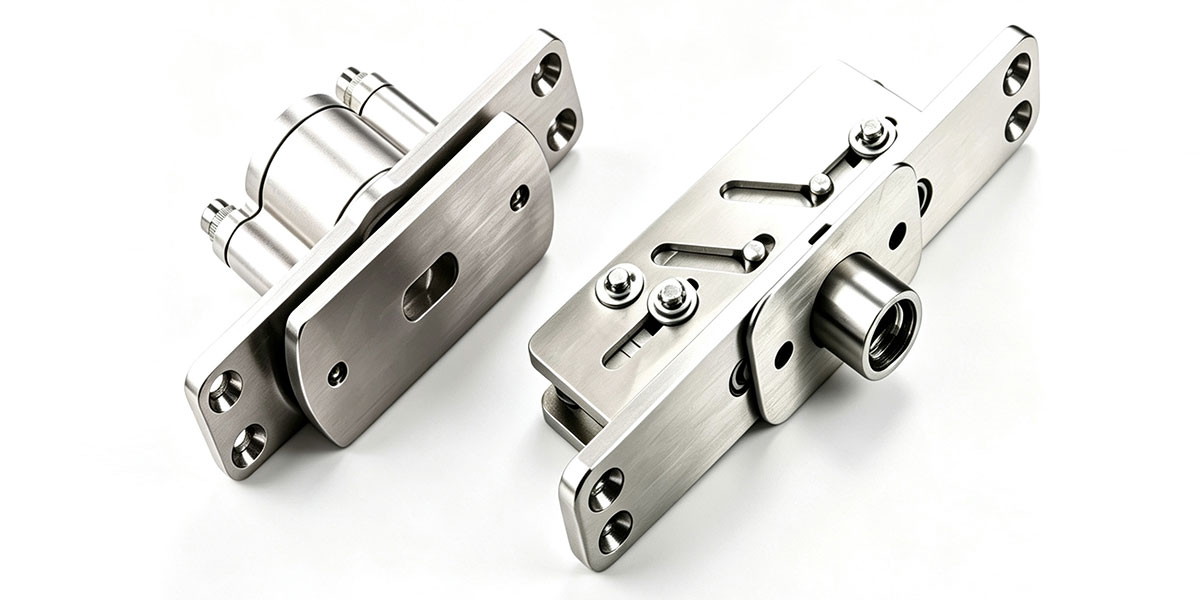
Pivot hinges carry heavy doors - steel, aluminum, glass, copper. Start with two specs: load rating and the self-closing mechanism. This guide covers three mechanisms - hydraulic, spring return, and free rotation - with one rule on load at the end.
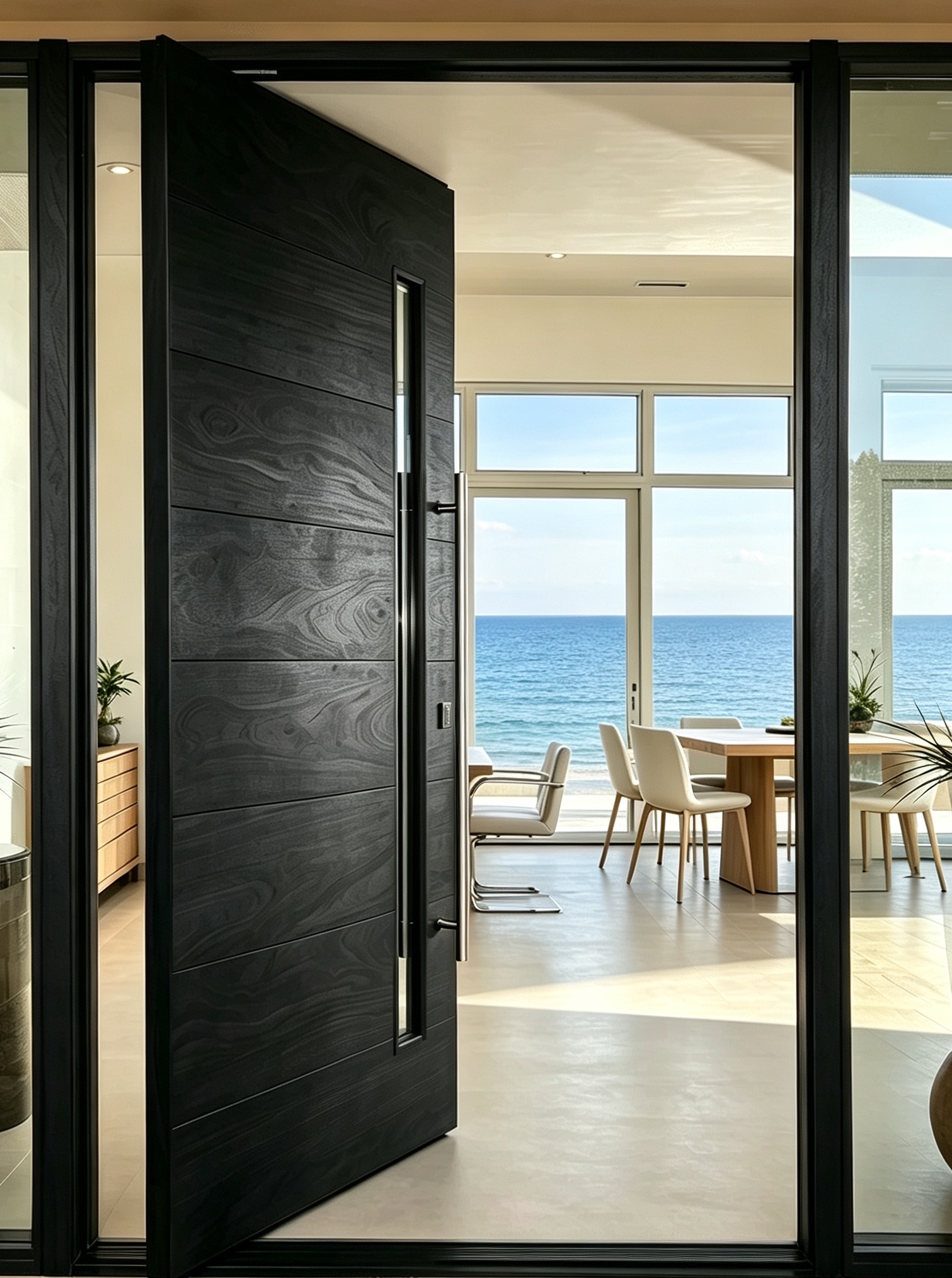
A pivot hinge is built to carry heavy doors made of steel, aluminum, glass or copper. When choosing one, start with two specifications: the load rating and the self-closing mechanism. Browse the pivot hinge range to see how the mechanisms differ in practice.
A hydraulic hinge has a built-in damping unit. Push the door and it returns on its own, slowly - no slam, no pinched fingers. Commercial entrances and glass doors with continuous traffic call for hydraulic. It costs more up front, and the trade-off is quieter operation. Our hydraulic self-closing hinges are rated up to 500 kg.
A mechanical hinge pulls the door shut with a spring set. No damping, no oil. It is simpler, cheaper, and nearly maintenance-free - a natural fit for residential doors, corridor doors, and budget-driven projects. The trade-off is closing speed: a spring slams a heavy door. For light doors on a tight budget, spring return is the practical choice.
A 360° free-rotation hinge has no return unit: in our range, maximum opening angle 360°, selected models offer 0°/90°/180°/270° positioning, and the hinges are rated for 200,000 opening cycles. Revolving doors, display doors, and open-plan layouts use it for this reason. Where the door must close itself, free rotation is the wrong mechanism - nothing pulls it back, so it hangs open. Fire-rated corridors and exits need a self-closing hinge, not free rotation.
Match the hinge rating to your door weight and keep a margin. Rate the hinge above the calculated door weight. Frame thickness, rebate, and fixing method change the hinge spec too. When in doubt, send the door type and weight to the manufacturer - a wrong load rating costs more than a message. See the load ratings in the pivot hinge range, or start from a specific model such as PH-M32ET.
Material decides how long a hinge lasts, especially outdoors and in humid buildings. Our mainstream pivot hinges are made of 304 stainless steel. 304 resists rust and corrosion - the practical choice for coastal regions, kitchens, hospitals, and other moisture-heavy environments. Rust does more than look bad: a corroded hinge gets stiff and noisy, and the connection weakens over time. Material and certification details are available on our certificates page.
|
Mechanism |
Best for |
Load rating / endurance |
Maintenance |
|
Hydraulic self-closing |
Commercial entrances, glass doors with continuous traffic |
Up to 500 kg |
Quiet, damped return; higher upfront cost |
|
Mechanical spring return |
Residential doors, corridor doors, budget projects |
[TBD: confirm load rating on spec sheet] |
Nearly maintenance-free; spring slams heavy doors |
|
Free rotation |
Revolving doors, display doors, open-plan layouts |
200,000 opening cycles; max opening angle 360° |
No self-closing |
|
Material |
Outdoor, coastal and humid buildings |
304 stainless steel |
Rust- and corrosion-resistant |
Tip: rate the hinge above the calculated door weight. When in doubt, send the door type and weight to the manufacturer - a wrong load rating costs more than a message.
Q1. What is a pivot hinge?
A: A pivot hinge is built to carry heavy doors made of steel, aluminum,
glass or copper. When choosing one, start with two specifications: the load
rating and the self-closing mechanism.
Q2. Which self-closing mechanism should I choose?
A: Hydraulic self-closing suits
commercial entrances and glass doors with continuous traffic - it is quiet but
costs more up front. Mechanical spring return is simpler, cheaper and nearly
maintenance-free, ideal for residential and corridor doors, but a spring slams
a heavy door. Free rotation has no self-closing at all and is used for
revolving doors, display doors and open-plan layouts.
Q3. Can a pivot hinge carry a very heavy door?
A: Yes. MSX hydraulic self-closing pivot hinges are rated up to 500 kg.
Always match the hinge rating to your door weight and keep a margin - a wrong
load rating costs more than a message to the manufacturer.
Q4. Why is stainless steel recommended for pivot hinges?
A: 304 stainless steel resists rust
and corrosion, which makes it the practical choice for coastal regions,
kitchens, hospitals and other moisture-heavy environments. A corroded hinge
gets stiff and noisy, and the connection weakens over time.
Q5. What should I send the manufacturer for a recommendation?
A: Send the door type, door weight and usage. MSX will recommend the mechanism and load rating within 24 hours.
About
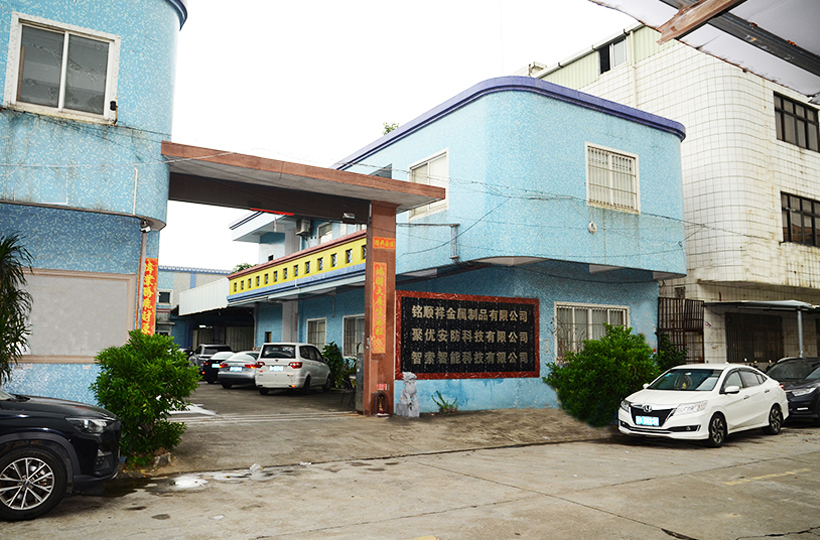
MSX - Zhongshan Ming Shunxiang Metal Products Co., Ltd. is a China-based
door hardware manufacturer with our own R&D department and CNC precision
processing. The factory is ISO9001-certified, with incoming, in-process and
outgoing inspection and a quality report kept for every batch. Mainstream
semi-finished parts are kept in stock, regular orders ship within 15 days, and
after-sales response is within 48 hours.
Get a Spec Recommendation in 24 Hours
Website QR code
Copyright@2023 All Rights Reserved
Zhongshan Ming Shunxiang Metal Products Co., Ltd.
Typically replies instantly
Send us a message today and we will contact you as soon as possible.
Hi, I am interested in your products and services.
